Heart and blood vessels
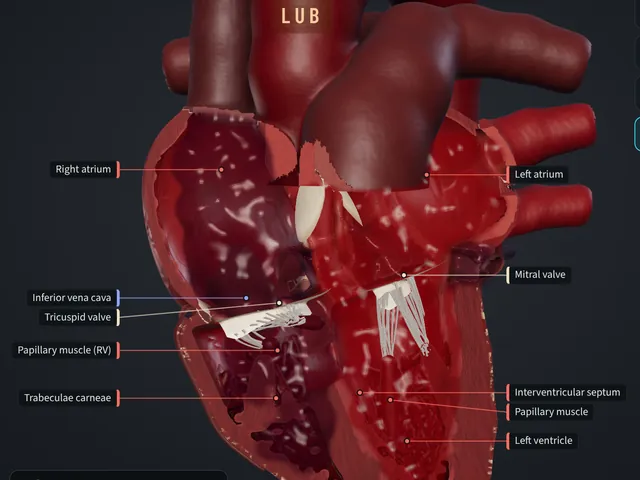
Watch a beating heart move blood through its chambers and valves, then see the vessels that carry it around the body.
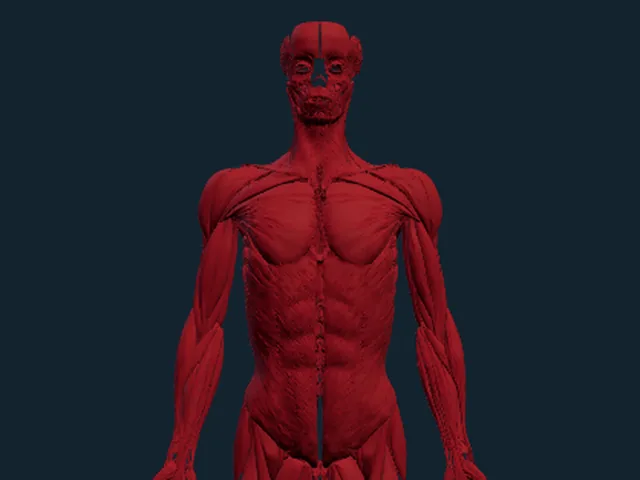
Turn, peel back and take apart a full 3D body. Follow blood through a beating heart, trace a nerve from the spine to the hand, and watch muscles move a joint.
Free to use on phones, tablets and computers. The 3D body is about 17 MB to download the first time, so Wi-Fi helps.
Each one opens in 3D. Rotate it, select a part to read about it, or fade the rest of the body away.
Watch a beating heart move blood through its chambers and valves, then see the vessels that carry it around the body.
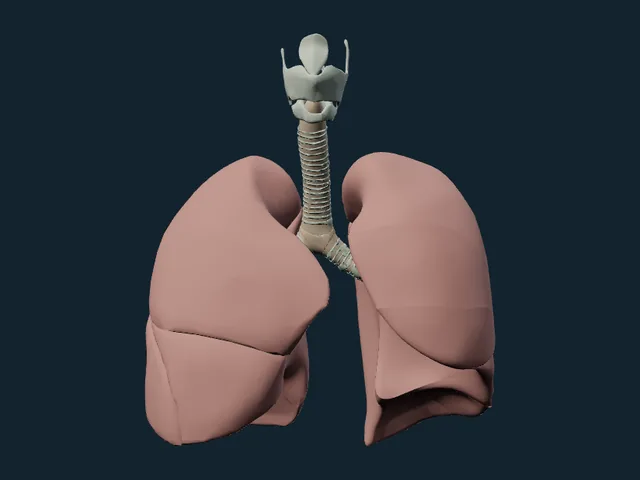
The lungs and their lobes, the windpipe and the branching airways that carry air deep into each lung.
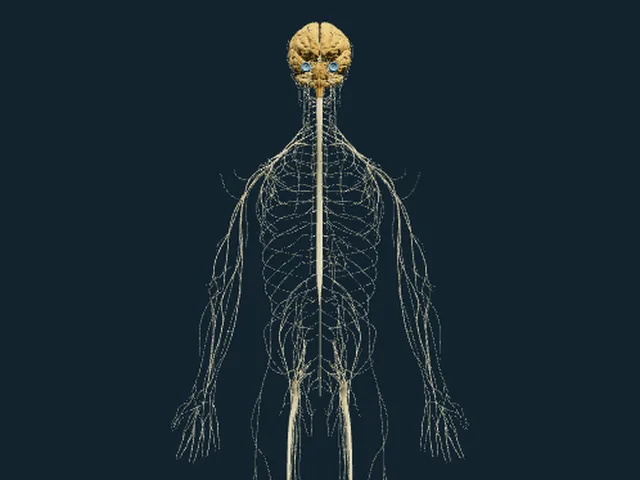
Follow 17 major nerves from the spinal cord to the muscles they move and the skin they supply.
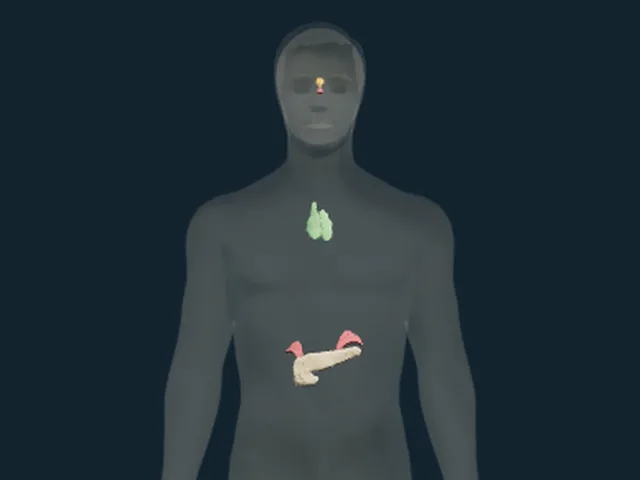
Find the glands that make hormones, from the pituitary in the head to the adrenal glands above the kidneys.
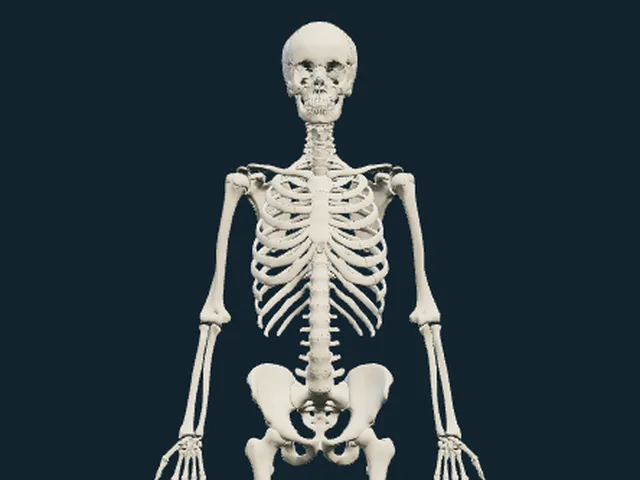
Go bone by bone through the skeleton: the parts and landmarks of each bone, its joints and the muscles attached to it.
Play 31 movements at the shoulder, elbow, wrist, hip, knee and ankle, and see which muscles do the work.
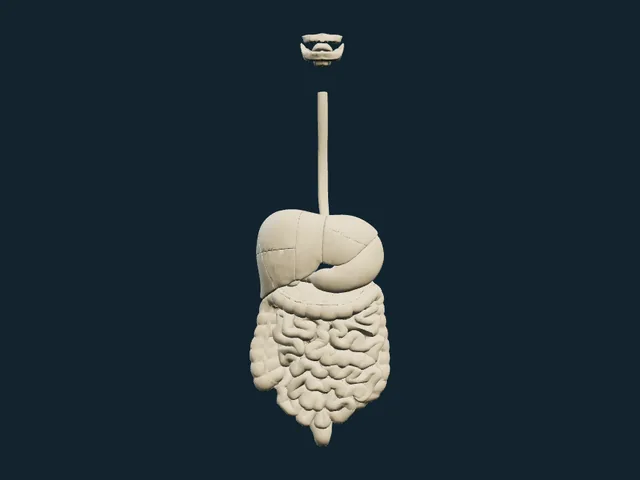
The oesophagus, stomach and intestines, with the liver, gallbladder and pancreas that help digest food.
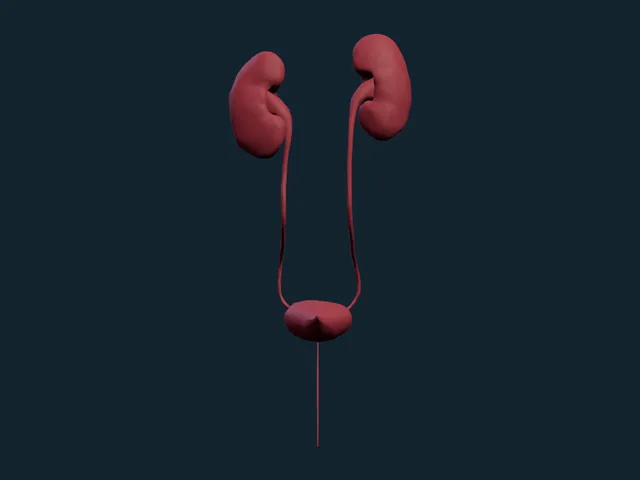
The kidneys, the ureters that drain them, the bladder and the urethra, in place in the body.
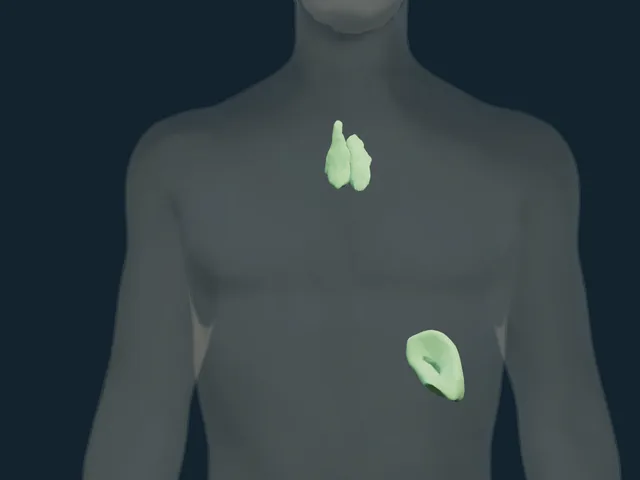
The spleen, thymus and tonsils, which help the body fight infection.
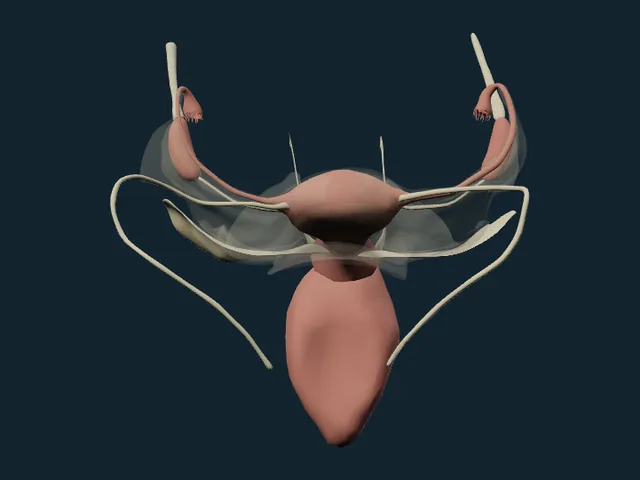
The female and male reproductive organs and where they sit in the pelvis.
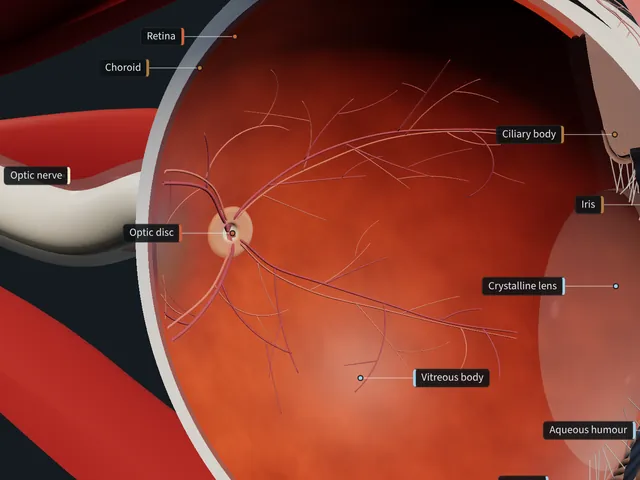
Take a 3D eye apart, compare common conditions and trace the path of light to the retina.
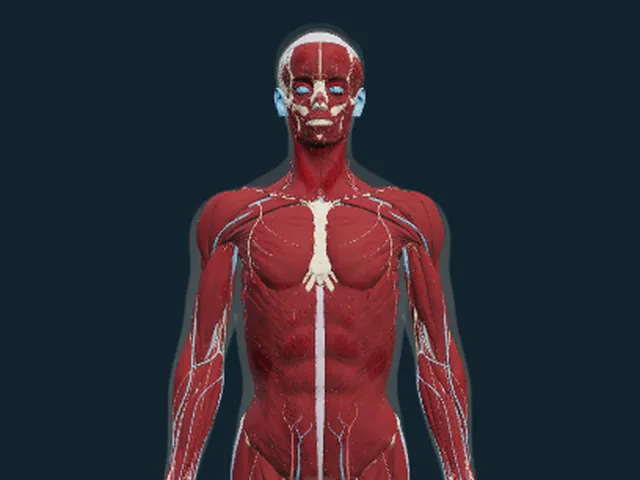
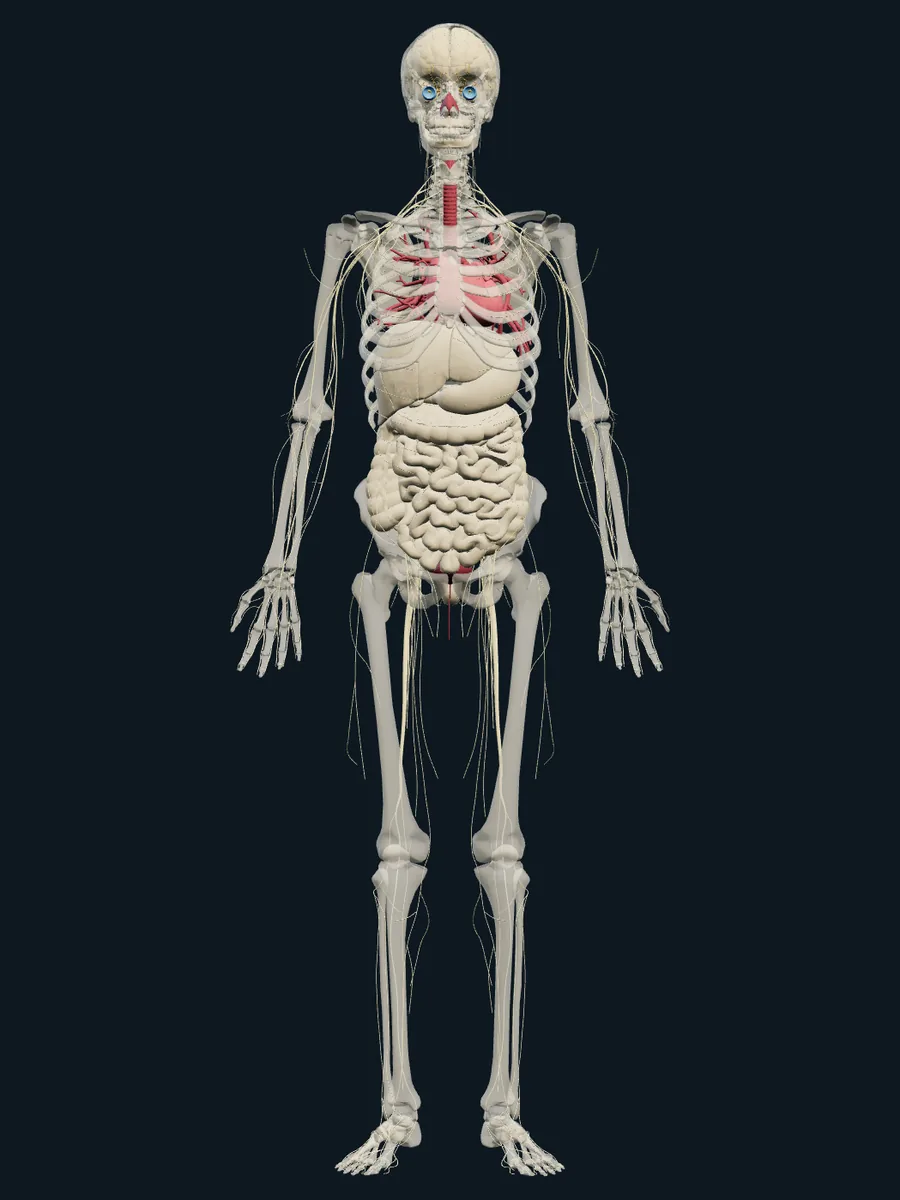
Every system at once. Fade the skin, hide the muscles or pull the body apart to see how it fits together.
Short activities that use the 3D body to practise what you have learned.
Follow the nerve, look at it on the model, then work through a clinical case.
Start the lessonStart from a finding such as wrist drop or foot drop and work out where along the nerve the problem lies.
Open the casesApplied questions on nerves and lesion levels.
Take the quizBridges, heel slides, sit-to-stand and more, with the muscles that do the work and the common mistakes to avoid.
See the exercisesChoose a part of the body and see why it matters in the clinic.
Choose a body partMore labs: Skeleton motion lab and Skeleton systems lab.
42 muscles and organs with their actions and nerve supply, and step-by-step lessons on circulation, breathing and digestion. The 3D dog model is still being built.
Beyond this free site, PLG Anatomy makes 3D models from patient scans and anatomy models for teaching.
Send us a CBCT scan and get back a 3D model you can view, share or 3D print.
Anatomy models for classrooms, clinics and conversations with patients.
Use these 3D labs in lectures and practicals. Ask us about licences for your college or clinic.